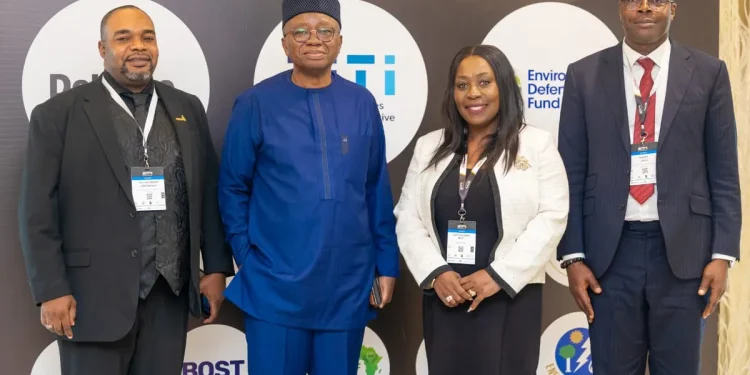
The Chief Executive Officer of the Ghana National Gas Company Limited, Judith Adjobah Blay, has called for stronger investment in gas infrastructure across Africa, arguing that the continent’s natural gas resources will have limited economic impact without the systems needed to process and deliver them to users.
Blay made the call during Africa Oil Week 2026, where she participated in a panel discussion focused on midstream gas infrastructure and its role in connecting gas supplies to markets, industries and power generation.
Her intervention comes as African countries face the challenge of turning their natural resource endowments into reliable energy supplies and broader industrial opportunities.
Ghana Gas CEO highlights infrastructure gap
According to Blay, Africa has significant gas resources, but gaps in processing, transportation, storage and distribution infrastructure continue to restrict the ability of countries to fully benefit from them.
She said closing that gap would require deliberate investment across the gas value chain rather than focusing mainly on production.
“Africa has the gas resources. The next frontier is building the infrastructure that connects those resources to the people, industries and economies that need them,” she said.
The Ghana Gas CEO also called for closer cooperation among African governments, national oil and gas companies, private investors and development institutions.
Such partnerships, she argued, could help mobilise the capital needed to expand infrastructure and improve the efficiency and resilience of the continent’s energy system.
Why the infrastructure debate matters
Gas infrastructure sits between production and consumption. Even where gas is available, inadequate pipelines, processing facilities, storage capacity and distribution networks can make it difficult to supply power plants, factories and other consumers reliably.
For African economies seeking to expand industrial production, that connection is particularly important because reliable energy supply is closely linked to the ability of businesses and industries to operate.
Blay therefore linked infrastructure investment not only to energy access but also to industrialisation, energy security and wider economic development.
The issue is also part of a broader debate about how Africa should finance its energy needs while navigating the global shift towards lower-carbon energy systems.
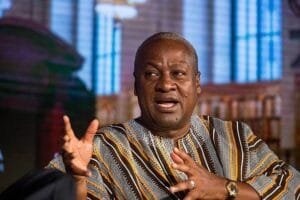
At Africa Oil Week, President John Dramani Mahama similarly argued that oil and gas would continue to have a role alongside renewable energy as African countries seek to address energy poverty.
Ghana’s position in the discussion
For Ghana, the infrastructure question has a direct domestic dimension.
Ghana Gas operates in the country’s midstream gas sector, processing and transporting natural gas for power generation and industrial users. Blay said the country’s experience could contribute to greater regional cooperation and investment in African energy infrastructure.
The company has also been pursuing closer cooperation with institutions within Ghana’s energy sector. In June 2026, Ghana Gas held discussions with the National Petroleum Authority on collaboration and issues affecting the operations of both institutions.
The latest call from Blay places Ghana’s experience within a wider continental conversation: how to build the physical infrastructure required to move gas from fields to the businesses, power producers and communities that need it.
What happens next
Blay’s appeal is primarily a call for investment and collaboration rather than the announcement of a specific new project or financing package.
The immediate challenge for governments, investors and industry players will therefore be translating the infrastructure debate into bankable projects, stronger regional cooperation and expanded capacity for processing, transportation, storage and distribution.