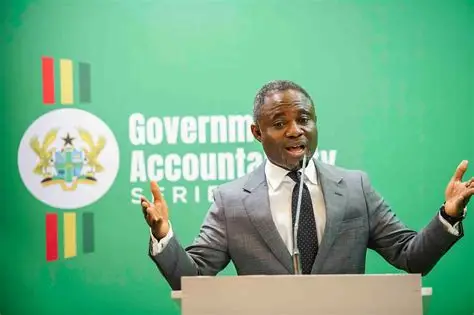
Ghana’s NHIS coverage has risen from about 57% to approximately 70% in less than two years, Health Minister Kwabena Mintah Akandoh has said, linking the reported increase to measures taken to strengthen the National Health Insurance Scheme.
Akandoh made the disclosure at the Ministry of Health’s Sector Update Engagement in Accra on Wednesday, October 7, 2026. He said the decision to uncap the National Health Insurance Levy (NHIL) had significantly increased resources available to the scheme.
NHIS coverage and increased funding
The minister said funding for the scheme increased from about GH¢6.5 billion in 2024 to GH¢9.8 billion in 2025 following the changes to NHIS financing.
The increase reflects the government’s decision to allow the NHIL to flow beyond the previous statutory cap. The 2025 Budget had programmed about GH¢9.93 billion for the NHIS, covering areas including claims payments, essential medicines, vaccines and the Free Primary Healthcare programme.
The National Health Insurance Authority had earlier reported that uncapping the levy generated about GH¢9.76 billion in 2025, compared with GH¢6.52 billion in 2024. The Authority said the additional resources helped it address outstanding obligations and improve payments to healthcare providers.
Government increases payments to healthcare providers
Akandoh also said payments to healthcare providers had increased by an average of 50%.
The government says the adjustment is intended to address delays in settling claims and give healthcare facilities greater confidence to continue providing services to NHIS members.
The issue of provider payments is important because delays in reimbursement can affect the ability of facilities to maintain services and supplies for insured patients.
The NHIA previously said the additional financing had enabled it to disburse more than GH¢1.5 billion to healthcare providers during the first seven months of 2025 while it worked to improve claims processing and electronic payments.
What the coverage figure means
The latest figure represents a significant increase from the national coverage recorded in the 2024 reporting period.
The National Development Planning Commission’s 2024 Annual Progress Report put NHIS population coverage at 56.3% in 2024, following figures of 52.7% in 2020, 54.4% in 2021, 54.5% in 2022 and 55.5% in 2023.
Akandoh’s latest statement therefore points to a substantial expansion in the proportion of the population covered by the scheme.
However, the precise current figure requires clarification. An Information Services Department report published in September 2026 quoted the same Health Minister as saying NHIS coverage had already reached 76%, with a target of 90% by 2028. The October 7 report puts the figure at about 70%.
The difference may reflect different measurement periods or definitions, but neither explanation is established in the reports reviewed.
Higher NHIS coverage can potentially reduce the number of Ghanaians who face healthcare costs without insurance protection. The government has also positioned stronger NHIS financing alongside other health reforms, including Free Primary Healthcare and the Ghana Medical Trust Fund, known as Mahama CARES.
The bigger test, however, is whether increased coverage is matched by reliable access to services, timely claims payments and adequate availability of medicines and other essential care.
The Health Minister says the scheme has moved from roughly 57% coverage to about 70% in less than two years, supported by increased financing and higher payments to healthcare providers.