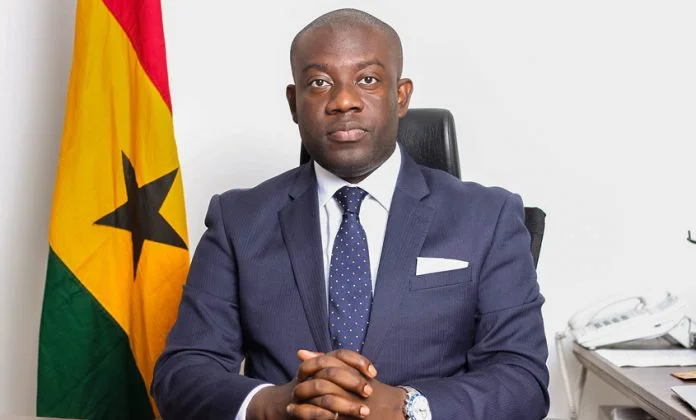
Ofoase-Ayirebi Member of Parliament Kojo Oppong Nkrumah has reportedly taken legal action against Ghana’s Chief Justice over issues surrounding the Judiciary’s legal vacation, describing the situation as raising concerns about equal treatment in the justice system.
The development comes amid renewed political debate over the administration of justice in Ghana, with the former Information Minister questioning whether judicial processes are being applied consistently.
Ghana’s superior courts traditionally observe an annual legal vacation, during which regular sittings are reduced while designated courts continue handling selected matters.
The arrangement is intended to ensure that the courts can take a recess without bringing urgent judicial work to a complete standstill.
The Judiciary has previously maintained mechanisms for cases to continue during the vacation. For example, during the 2022 legal vacation, selected courts in Greater Accra operated virtually, with the then Chief Justice, Gertrude Torkornoo, saying the system had helped save time and costs for court users.
Oppong Nkrumah’s latest challenge is reportedly focused on whether the current application of the vacation arrangements amounts to unequal treatment.
The dispute comes against a wider backdrop of concerns about judicial independence and the use of the justice system in politically sensitive cases.
Oppong Nkrumah has previously been a vocal critic of developments affecting Ghana’s judiciary. In May 2025, during the proceedings involving then-Chief Justice Gertrude Torkornoo, he argued that the process had political dimensions and warned that its consequences could extend beyond the immediate dispute.
His latest legal action therefore adds another institutional dimension to his criticism: rather than relying solely on public commentary, he is reported to have taken the matter into the courts.
However, the allegation of “selective justice” remains a claim attributed to the MP and should not be treated as an established finding unless a court makes such a determination.
The term “legal vacation” can sometimes create the impression that Ghana’s courts close entirely for several months. That is not the case.
Certain courts and judges can be authorized to sit during the period, particularly where cases require attention. Previous arrangements have included designated High Courts handling matters while the wider judiciary observes its recess.
The distinction is important because the substance of Oppong Nkrumah’s complaint appears to concern how judicial business is allocated or permitted during the vacation, rather than the existence of the legal vacation itself.
The next significant step will be the court’s consideration of the application and the response from the Chief Justice or other respondents named in the proceedings.