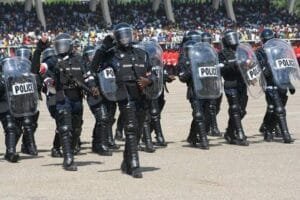

Interior Minister Muntaka Mubarak Mohammed has disclosed that several recruits in Ghana’s security services training institutions have been dismissed after verification checks found that the WASSCE results they submitted during recruitment had been forged or altered.
The minister said the discrepancies were uncovered after applicants’ academic documents were forwarded to the West African Examinations Council (WAEC) for verification. The disclosure highlights the screening process used to confirm the qualifications of people seeking entry into Ghana’s security services.
Speaking at the inauguration of new classroom facilities at the Asokore Mampong Roman Catholic School, Muntaka said some recruits had been removed from training after their results slips were found to have been doctored.
He did not provide a specific number of recruits dismissed over the forged results, but described the situation as a serious concern, particularly because the affected individuals were seeking positions in institutions responsible for enforcing Ghana’s laws.
“It’s so shocking that a lot of people forged their results,” the minister said, questioning how applicants expected falsified academic records to escape verification.
The minister said the affected cases involved documents presented during recruitment and subsequently checked against records held by WAEC.
Muntaka said recruits found to have submitted falsified WASSCE results would be placed on a “red list” to prevent them from seeking recruitment into Ghana’s security services in the future.
The services named in his remarks include the Ghana Police Service, Ghana Prisons Service, Ghana Immigration Service, Ghana National Fire Service, Narcotics Control Commission and the Armed Forces.
He also indicated that management of the respective security services was considering prosecution in cases where recruits were found to have deliberately falsified their academic records.
The prospect of prosecution, however, should be distinguished from an actual criminal case. The minister did not announce that specific recruits had already been prosecuted or convicted.
The latest disclosure comes shortly after Muntaka announced that at least 10 recruits had been dismissed for violating a separate rule banning mobile phones during training.
In that earlier case, the recruits were found to have secretly kept their phones despite being instructed to surrender them when they reported to their training institutions. The minister said the dismissals were intended to enforce discipline within the training schools.
The forged WASSCE cases are different because they concern the authenticity of qualifications used to gain entry into the services.
For prospective applicants, the minister’s warning is clear: meeting the stated academic requirements is essential, and submitted results can be checked against WAEC records.
Recruitment into Ghana’s security services is competitive, making the integrity of applicants’ qualifications an important part of the selection process.
Verification of WASSCE results also provides a way for recruitment authorities to identify discrepancies before individuals complete their training and enter sensitive public-service roles.
Muntaka urged prospective applicants to ensure they genuinely possess the qualifications required for the service they intend to join rather than attempting to manipulate their academic records.
The Interior Minister’s disclosure therefore points to a broader emphasis on discipline and verification within security-service recruitment, although the full number of affected recruits and the outcome of any proposed prosecutions have not been publicly detailed.