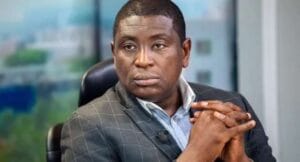
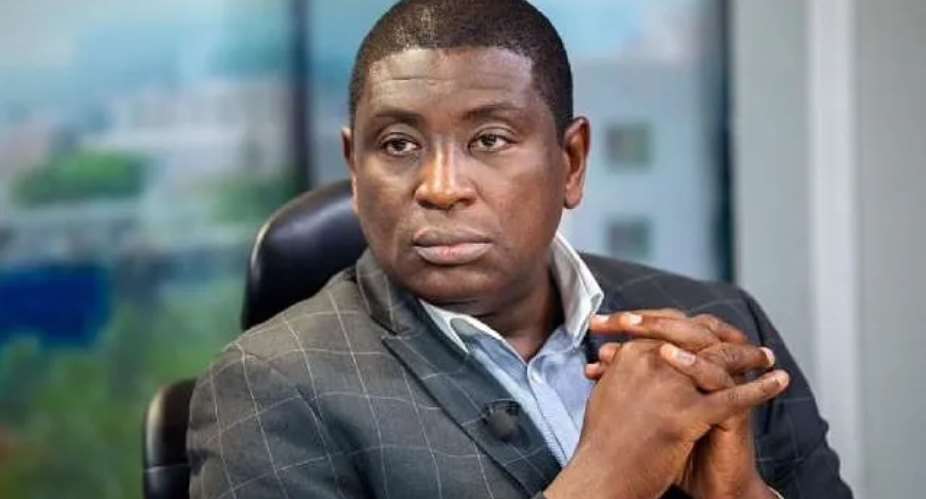
Energy analyst and former New Patriotic Party (NPP) presidential aspirant Kwadwo Poku has said the NPP would survive even if former Assin Central MP Kennedy Agyapong decided to leave the party.
His remarks come at a time of growing discussions about unity within the NPP and renewed debates over Kennedy Agyapong’s future role in the party.
Speaking on Eyewitness News, Poku acknowledged Kennedy Agyapong’s popularity and influence within the NPP. However, he maintained that no political party’s existence depends on a single individual.
“No single person is bigger than the NPP or the NDC,” he said.
Poku explained that while Kennedy Agyapong remains an important figure in the party, the NPP has built strong structures over the years that would enable it to continue functioning regardless of the decisions of any one member.
His comments follow calls from some party supporters for disciplinary action against Kennedy Agyapong over remarks they believe could undermine party cohesion and affect efforts to rebuild after the 2024 general elections.
Despite his position, Poku made it clear that he would prefer Kennedy Agyapong to remain in the party.
He said he would personally support every effort aimed at reconciling differences and preserving unity within the NPP.
“I’ll do everything possible to encourage reconciliation because Kennedy Agyapong remains an important member of the party,” Poku indicated.
Kennedy Agyapong, who contested the NPP’s presidential primaries ahead of the 2024 elections, continues to command a loyal following within the party and remains one of its most influential and outspoken figures.
His supporters have repeatedly argued that his contributions and grassroots appeal make him a key asset to the NPP’s future.
However, Poku’s comments highlight a different perspective: that political parties are bigger than individuals and must rely on their institutions, structures and collective leadership to survive.
The remarks have already sparked fresh conversations among party members and political observers, with many debating the importance of party unity and the role influential personalities play in shaping Ghana’s political landscape.
As the NPP seeks to reorganize and position itself for future elections, the question of how to manage internal differences and keep key figures within its fold is likely to remain a major talking point.