
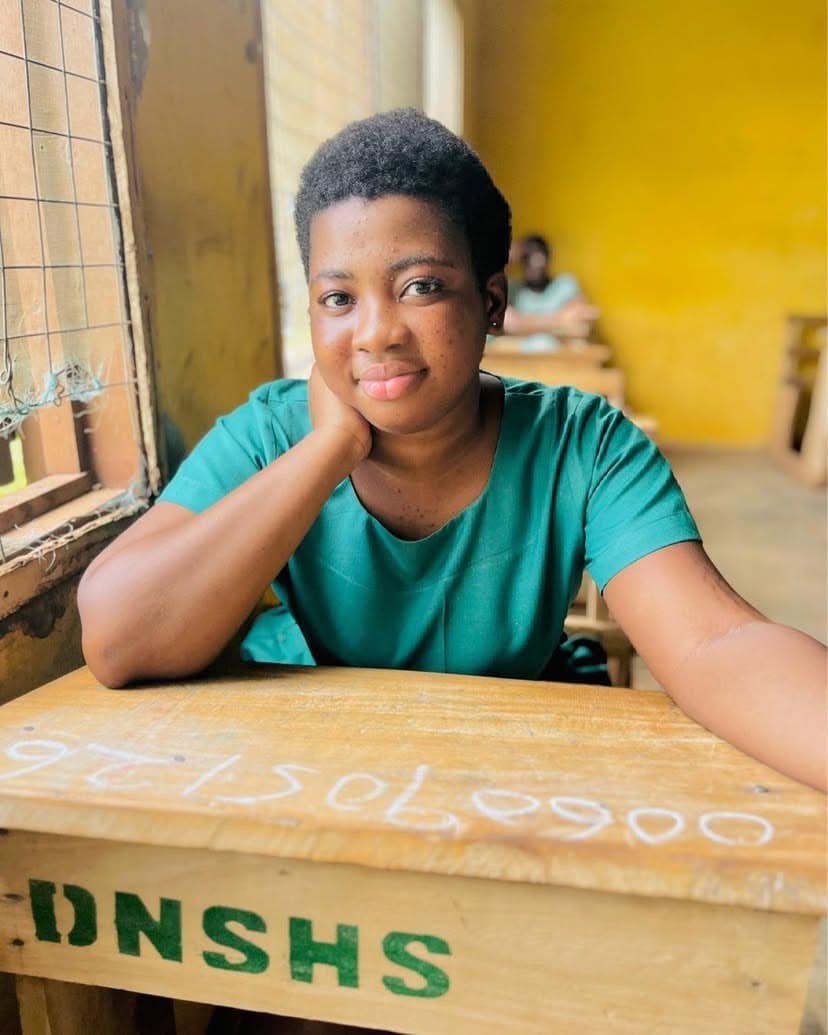
A Policy That Changed Millions of Lives
When Ghana rolled out the Free Senior High School (Free SHS) policy in 2017, it was celebrated as a game-changing moment in the nation’s history. For the first time, thousands of bright students from low-income families could access secondary education without the burden of tuition fees.
Nearly a decade on, Free SHS remains one of the most passionately debated policies in Ghana. Supporters hail it as a life-transforming success, while critics warn it is exposing serious cracks in the education system.
So, is Free Senior High School policy a triumph or a looming crisis? The truth, as always, lies somewhere in between.
More Students, Greater Opportunities
The policy’s most undeniable achievement is the massive surge in access to education. Enrollment in senior high schools has skyrocketed, opening doors for many students from rural communities and disadvantaged backgrounds who would otherwise have dropped out after junior high.
By removing financial barriers, Free SHS has eased the economic pressure on countless families and given more young Ghanaians a fair shot at a better future.
The Hidden Costs of Success
However, the rapid increase in student numbers has strained the system. Many schools now face overcrowded classrooms, inadequate infrastructure, hostel shortages, and a high demand for qualified teachers and learning materials.
The introduction of the double-track system helped absorb the extra students, but it has drawn criticism for reducing effective teaching time and disrupting the academic calendar. Funding delays have also occasionally hampered smooth operations in some schools.
Beyond Access: The Quality Question
At the heart of the national debate is a fundamental question: Should success be measured only by how many students enter the classroom, or by the quality of education they receive?
While politicians continue to trade blows over the policy’s future, education experts agree that the focus must now shift to fixing infrastructure deficits, supporting teachers, and securing sustainable funding, rather than rolling back the gains already made.
The Road Ahead
Few Ghanaians would argue against the transformative impact Free SHS has had on access to education. The real test now lies in delivering quality outcomes that match the increased enrollment.
As Ghana works to build a skilled workforce for the future, the ultimate success of Free SHS will be determined not just by getting students through the school gates, but by what they achieve once inside.