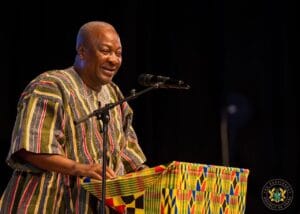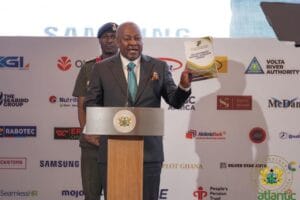
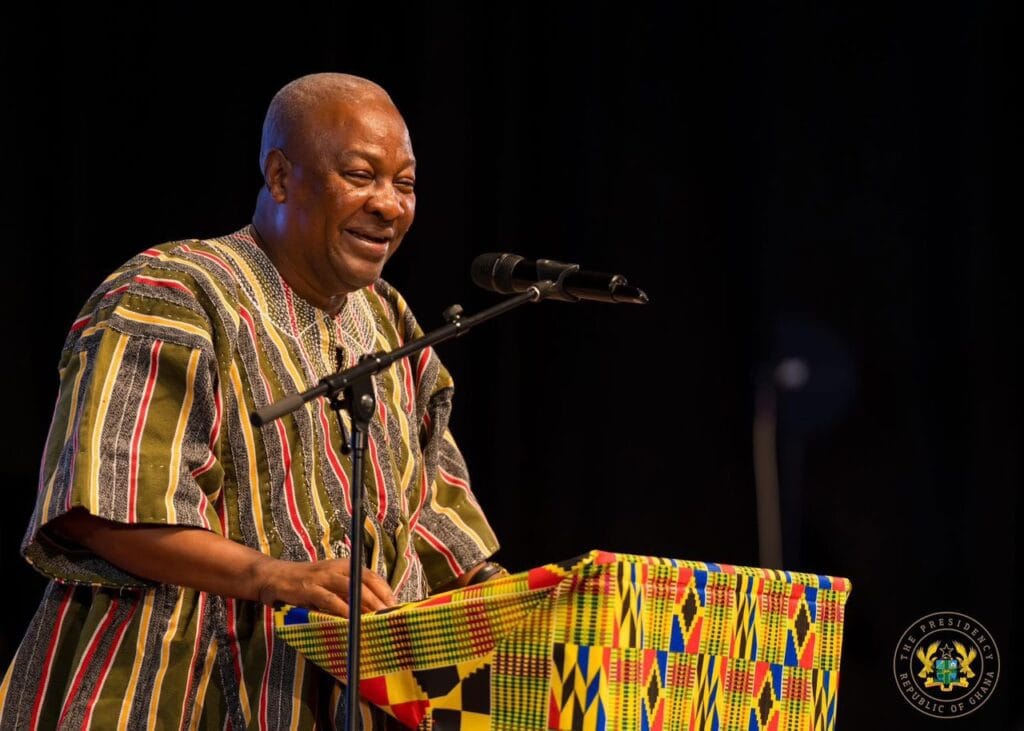
On a recent trip to London, Ghana’s President, John Dramani Mahama, convened a significant meeting aimed at strengthening diplomatic ties and discussing key issues of mutual interest between Ghana and the United Kingdom.
This gathering, which brought together political leaders, business moguls, and members of the diaspora, highlighted the importance of collaboration in addressing global challenges.
Building Diplomatic Bridges
During the meeting, President Mahama emphasized the historical relationship between Ghana and the UK, noting that both nations have benefitted from decades of partnership in various sectors, including trade, education, and development.
He called for renewed efforts to deepen these ties, particularly in light of the challenges posed by climate change, economic instability, and the ongoing effects of the Iran-Israel War.
Economic Opportunities
One of the key focus areas of the meeting was enhancing economic collaboration. With Ghana being one of the fastest-growing economies in Africa, President Mahama urged UK investors to explore opportunities in sectors such as agriculture, technology, and renewable energy.
He presented Ghana as a vibrant market with a young, dynamic workforce eager to engage in innovative projects.
Cultural Exchange and Education
Moreover, President Mahama spoke about the importance of cultural exchange and education in fostering stronger ties between the two nations. He proposed initiatives that would encourage student exchanges and joint research programs, aiming to cultivate a better understanding of each other’s cultures and values.
Engaging the Diaspora
Recognizing the significant contributions of the Ghanaian diaspora in the UK, President Mahama extended an invitation for them to play an active role in Ghana’s development.
He underscored the need for the diaspora to engage with local businesses and government initiatives, tapping into their skills and resources to aid in national growth.