Diplomatic Engagement Expected to Strengthen Bilateral Judicial Cooperation
Ghana and the United States are preparing for crucial high-level discussions on pending extradition requests, as both nations work to enhance cross-border justice and accountability mechanisms.
The upcoming talks follow the recent successful extradition of former MASLOC Chief Executive Officer Sedina Tamakloe Attionu from the US to Ghana, marking a significant step in judicial collaboration between the two countries.
Why the Discussions Matter
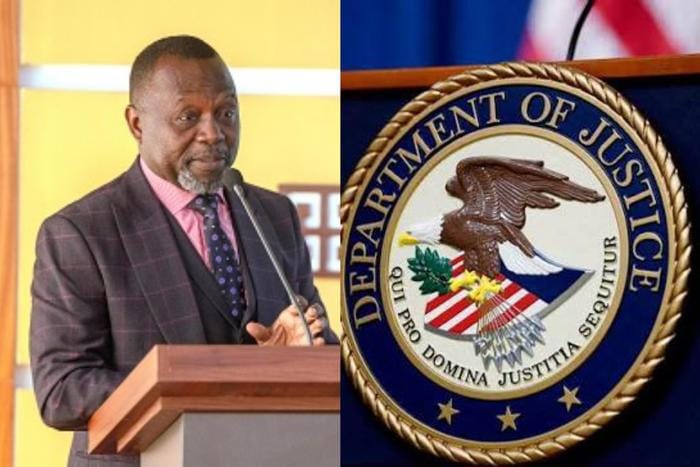
Ghana’s Attorney-General is scheduled to meet with officials from the United States Department of Justice to address outstanding extradition matters. These discussions aim to review existing requests, streamline processes, and reinforce bilateral cooperation on law enforcement and anti-corruption efforts.
The recent extradition of Sedina Tamakloe Attionu; who was convicted on multiple corruption-related charges, has been hailed as a milestone, being the first such transfer from the US to Ghana since 2009.
High-Profile Cases in Focus
Several extradition requests remain active, including the closely monitored case involving former Finance Minister Ken Ofori-Atta, who faces corruption-related allegations and is currently in US custody. Officials have emphasised that all cases will proceed strictly according to legal and diplomatic protocols, with due process observed in both jurisdictions.
Legal analysts noted that extradition proceedings often involve intricate diplomatic, judicial, and procedural elements, requiring careful navigation to balance justice with international treaty obligations.
Broader Implications for Anti-Corruption and International Relations
These talks come at a pivotal time for Ghana’s anti-corruption drive and its international partnerships. Successful outcomes could bolster public confidence in the government’s ability to pursue high-level accountability across borders, while also setting precedents for future collaborations in combating financial crimes and economic offences.
Experts suggest that stronger extradition frameworks could discourage individuals from evading justice by relocating abroad and enhance Ghana’s standing in global efforts to promote transparency and good governance. However, challenges such as lengthy legal appeals and differing judicial standards remain key hurdles in such cases.
This engagement underscores the growing importance of robust international legal cooperation in addressing transnational corruption and ensuring that no one is above the law, regardless of location.