West Africa’s Leading Producers Strengthen Cooperation
Ghana and Côte d’Ivoire, the world’s two largest cocoa-producing nations, have renewed efforts to strengthen cooperation on cocoa pricing and farmer welfare, a move that could have far-reaching implications for millions of farmers and the global chocolate industry.
The discussions highlight a shared commitment to improving the livelihoods of cocoa farmers while ensuring greater stability in one of the world’s most important agricultural sectors.
Together, Ghana and Côte d’Ivoire account for more than half of global cocoa production, making their partnership a critical factor in determining the future of the international cocoa market.
Cocoa Remains Ghana’s Economic Lifeline
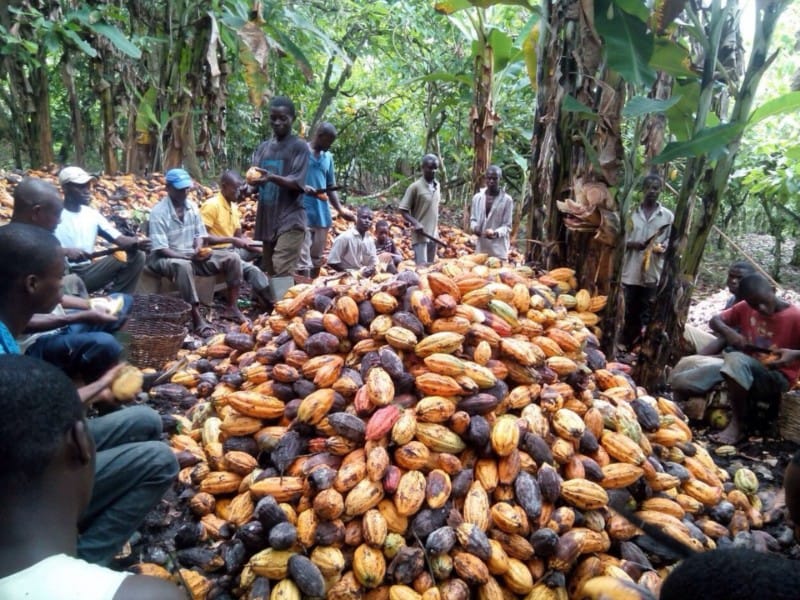
For decades, cocoa has been one of Ghana’s most valuable exports, generating billions of dollars in foreign exchange and supporting the livelihoods of hundreds of thousands of farming families. The crop plays a vital role in rural communities, where income from cocoa production helps fund education, healthcare, housing, and local economic activities.
However, cocoa farmers have faced growing challenges in recent years, including fluctuating world market prices, climate-related disruptions, rising production costs, and concerns about long-term sustainability. These challenges have increased pressure on governments to find ways to ensure farmers receive a fair share of the industry’s profits.
Why the Partnership ?
The renewed collaboration between Ghana and Côte d’Ivoire is seen as an important step toward strengthening the bargaining power of cocoa-producing nations in global markets. By coordinating policies and engaging in joint discussions on pricing mechanisms, both countries hope to improve returns for farmers while promoting a more sustainable cocoa sector.
Analysts say greater cooperation could help address longstanding concerns that cocoa-producing countries receive only a small portion of the profits generated by the global chocolate industry. Advocates for farmers have long argued that stronger producer alliances are necessary to improve incomes and reduce poverty in cocoa-growing communities.
Focus on Farmer Welfare
Beyond pricing, the discussions have placed significant emphasis on farmer welfare and sustainability. Officials from both countries are exploring ways to support farmers through improved agricultural practices, access to resources, and measures aimed at increasing productivity while protecting the environment.
There is also growing recognition that attracting younger generations into cocoa farming will require better incomes and improved living conditions for farming families. Many stakeholders believe that sustainable growth in the cocoa industry depends on ensuring that farmers are adequately rewarded for their work.
A Key Moment for the Global Cocoa Industry
The latest talks come at a time when global demand for cocoa remains strong, while supply challenges in major producing countries continue to attract international attention. As Ghana and Côte d’Ivoire deepen their partnership, industry observers will be watching closely to see whether the collaboration leads to meaningful improvements in pricing, sustainability, and farmer livelihoods.
For millions of people whose lives depend on cocoa production, the outcome of these discussions could shape the future of one of West Africa’s most important economic sectors.