
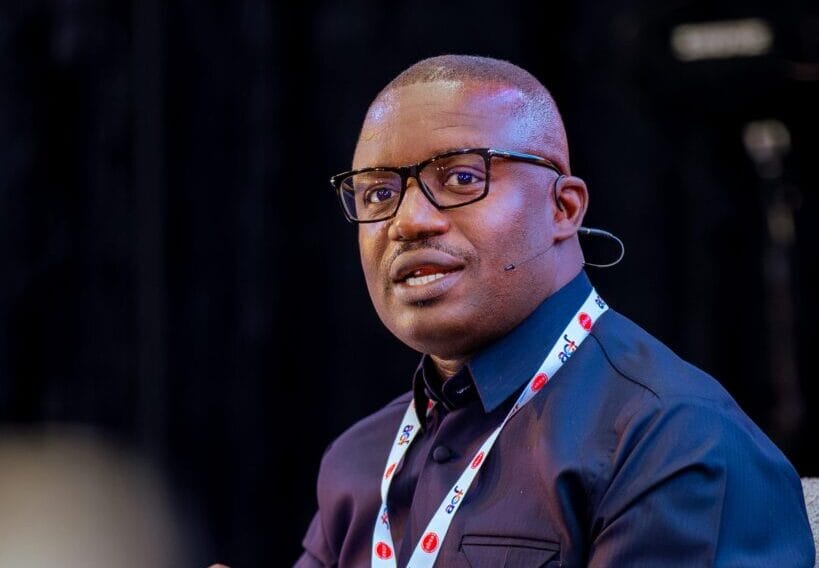
Ghana has reaffirmed its commitment to expanding renewable energy as part of a broader strategy to achieve a just and sustainable energy transition, according to the Minister for Energy and Green Transition, Dr John Abdulai Jinapor.
The government says the initiative is aimed at strengthening the country’s power sector, improving energy reliability, and increasing the share of clean energy in Ghana’s electricity mix.
Ghana’s Renewable Energy Drive Gains Momentum
In a Facebook post shared on Friday, Dr Jinapor outlined several ongoing and planned measures designed to accelerate renewable energy deployment across the country.
A key component of the strategy is a 200MW competitive solar tender, which is expected to boost Ghana’s solar generation capacity and attract investment into the renewable energy sector.
The Minister added that the long-term goal is to scale up solar energy production to 1,000MW as part of Ghana’s broader clean energy roadmap.
Solar Power Expansion and Energy Storage Solutions
To ensure stability and reliability in power supply, the government is also prioritising the integration of solar-plus-storage technologies.
According to Dr Jinapor, these systems will help address fluctuations in solar generation while supporting consistent electricity delivery across the national grid.
50,000 Home Solar Systems and EV Infrastructure Planned
As part of efforts to expand access to clean energy, the government plans to deploy 50,000 home solar systems nationwide.
In addition, Ghana will develop solar-powered electric vehicle (EV) charging infrastructure to support the growing adoption of clean transportation technologies.
These initiatives are expected to reduce dependence on fossil fuels and promote sustainable energy consumption at both household and industrial levels.
Africa’s Energy Transition Must Support Development – Jinapor
Dr Jinapor emphasized that Africa’s energy transition should not be viewed solely as a climate obligation, but also as an opportunity for economic transformation.
He noted that the shift to renewable energy must support industrial growth, improve electricity access, and contribute to long-term sustainable development across the continent.
According to him, African countries must adopt a balanced energy transition model that protects development goals while aligning with global climate commitments.
Conclusion
Ghana’s renewable energy strategy reflects a growing commitment to clean power, energy security, and sustainable development. With ambitious solar targets, home energy solutions, and EV infrastructure plans, the country is positioning itself as a key player in West Africa’s green energy transition.