
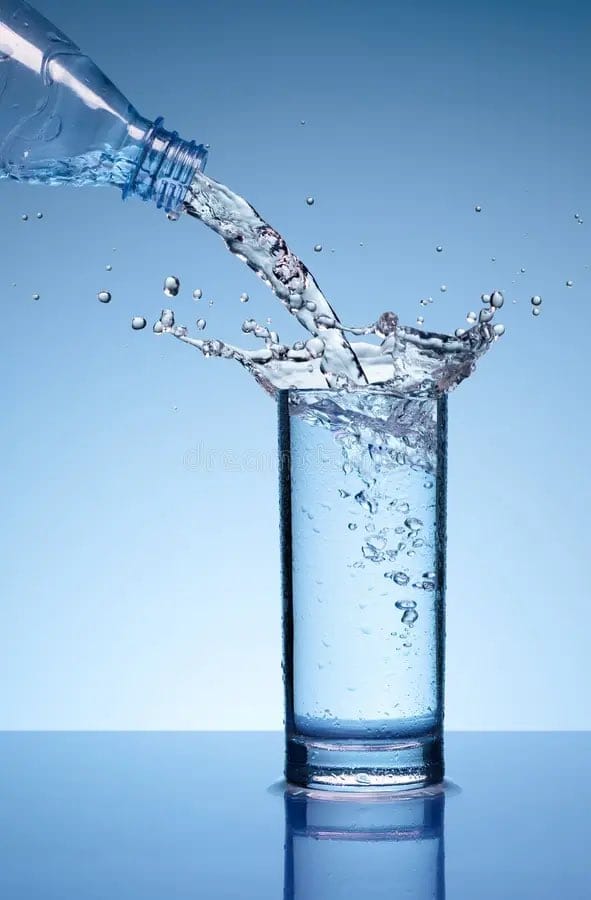
Water is far more than a simple thirst quencher, it is the foundation of virtually every physiological process in the human body. Comprising roughly 60% of adult body weight, water is essential for survival and optimal function. Despite this, many people remain chronically under-hydrated without realizing the impact.
Here are seven scientifically supported reasons why staying properly hydrated is one of the most powerful things you can do for your health.
1. Regulates Body Temperature
Water is your body’s built-in thermostat. Through sweating and subsequent evaporation, water helps dissipate heat and maintain a stable core temperature. This mechanism becomes critical during exercise, hot weather, or fever. Inadequate hydration impairs this cooling system, increasing the risk of heat-related illnesses.
2. Supports Healthy Digestion
Water is vital for breaking down food and facilitating nutrient absorption in the digestive tract. It softens stool and promotes regular bowel movements, helping prevent constipation. Proper hydration also supports the production of saliva and digestive enzymes, ensuring smoother gastrointestinal function.
3. Transports Nutrients and Oxygen
Your blood is approximately 90% water. This fluid medium enables efficient circulation of oxygen, glucose, vitamins, minerals, and other essential nutrients to every cell in the body. When hydration levels drop, blood becomes more viscous, reducing delivery efficiency and forcing the heart to work harder.
4. Eliminates Waste and Toxins
The kidneys rely heavily on water to filter waste products from the blood and excrete them through urine. Adequate hydration supports optimal kidney function, reduces the risk of kidney stones, and helps maintain the body’s natural detoxification processes. It also supports healthy liver function by aiding in the elimination of metabolic byproducts.
5. Lubricates Joints and Cushions Organs
Water forms a major component of synovial fluid — the natural lubricant that allows joints to move smoothly with minimal friction. It also acts as a shock absorber, cushioning sensitive organs and protecting the spinal cord and brain from impact. This protective role becomes especially important as we age or engage in physical activity.
6. Enhances Physical Performance
Even mild dehydration (as little as 1–2% of body weight) can significantly impair strength, endurance, and recovery. Proper hydration maintains muscle function, regulates electrolyte balance, and prevents fatigue. Athletes and active individuals consistently perform better when they maintain optimal fluid levels before, during, and after exercise.
7. Optimizes Brain Function and Mood
The brain is highly sensitive to hydration status. Dehydration can impair cognitive performance, including concentration, short-term memory, and reaction time. Research also links even mild dehydration to increased fatigue, anxiety, and mood disturbances. Staying hydrated helps keep your mind sharp and emotionally balanced.
Practical Tips for Better Hydration
• Drink water consistently throughout the day rather than waiting until you feel thirsty.
• Individual needs vary based on age, sex, activity level, climate, and health status, a common guideline is around 3.7 liters (125 oz) for men and 2.7 liters (91 oz) for women daily, including water from food.
• Enhance intake with fruits, vegetables, and herbal teas.
• Monitor urine color (pale yellow is ideal) as a simple hydration indicator.
Maintaining proper hydration is one of the simplest, most cost-effective ways to support long-term health, energy, and performance. While it won’t solve every health issue, consistent adequate water intake creates the internal environment your body needs to thrive.
Make hydration a non-negotiable daily habit, your body will thank you.