
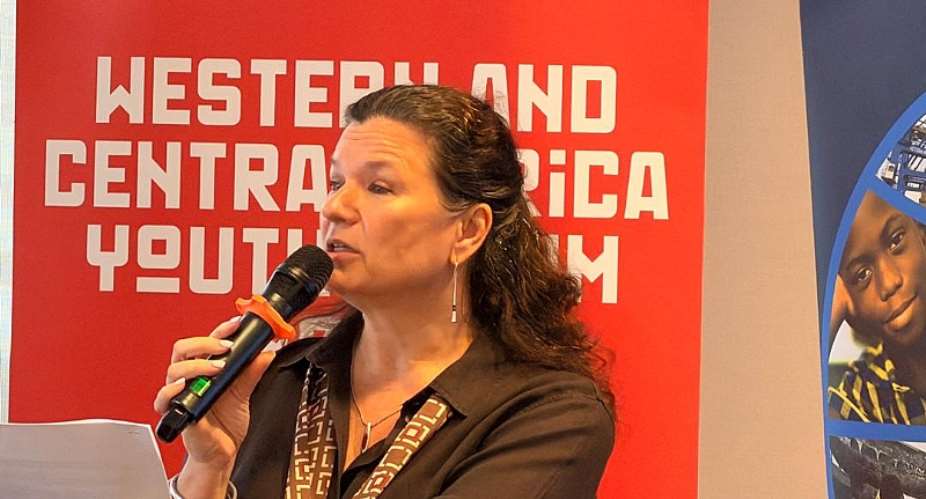
The World Bank has urged Ghana to place youth employment at the centre of its economic development agenda, warning that creating more jobs for young people is critical to the country’s long-term growth and stability.
According to the global financial institution, Ghana has enormous potential to generate employment opportunities. However, unlocking that potential will require stronger investments in skills development, education, entrepreneurship and private sector growth.
The call comes at a time when thousands of young Ghanaians enter the labour market each year, many of them facing difficulties securing stable and meaningful employment.
Youth Employment Key to Economic Growth
The World Bank believes Ghana’s youthful population can become one of the country’s greatest economic strengths if the right policies and investments are put in place.
Officials say improving access to quality education and practical skills training will be essential in preparing young people for the demands of a rapidly changing job market.
The institution also highlighted the need to support entrepreneurship and small businesses, which remain major sources of employment across the country.
Many young entrepreneurs continue to face challenges, including limited access to financing, inadequate business support services and difficulties accessing larger markets.
Addressing these barriers, the World Bank noted, could help create thousands of jobs while boosting productivity and economic growth.
Investing in Skills for the Future
A major concern raised by the World Bank is the mismatch between the skills many graduates possess and the needs of employers.
As technology continues to reshape industries worldwide, experts say Ghana must focus on equipping young people with practical, digital and technical skills that increase their employability.
The World Bank recently approved significant funding to support improvements in secondary education and skills development in Ghana, with the aim of helping students transition more successfully into employment and entrepreneurship.
The initiative is expected to strengthen learning outcomes while ensuring that education is more closely aligned with labour market demands.
Private Sector Seen as a Major Driver of Jobs
Beyond education, the World Bank emphasised the importance of creating an environment where businesses can grow and hire more workers.
Experts believe that supporting industries such as manufacturing, agribusiness, technology and services could generate large-scale employment opportunities for Ghana’s growing youth population.
The institution also encouraged stronger collaboration between government, educational institutions and the private sector to ensure young people are adequately prepared for available jobs.
A Growing Challenge That Requires Urgent Attention
Youth unemployment remains one of the most pressing socioeconomic issues facing many African countries, including Ghana.
While the country has made progress in several areas of economic development, concerns remain about the pace of job creation relative to the number of young people entering the workforce each year.
The World Bank argues that addressing this challenge should not only be viewed as a social priority but also as an economic necessity.
With the right investments, Ghana could harness the energy, creativity and innovation of its young population to drive economic growth, reduce poverty and strengthen national development.
As policymakers continue to pursue economic reforms and development programmes, the message from the World Bank is clear: creating opportunities for young people must remain high on the national agenda.