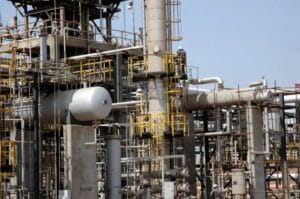
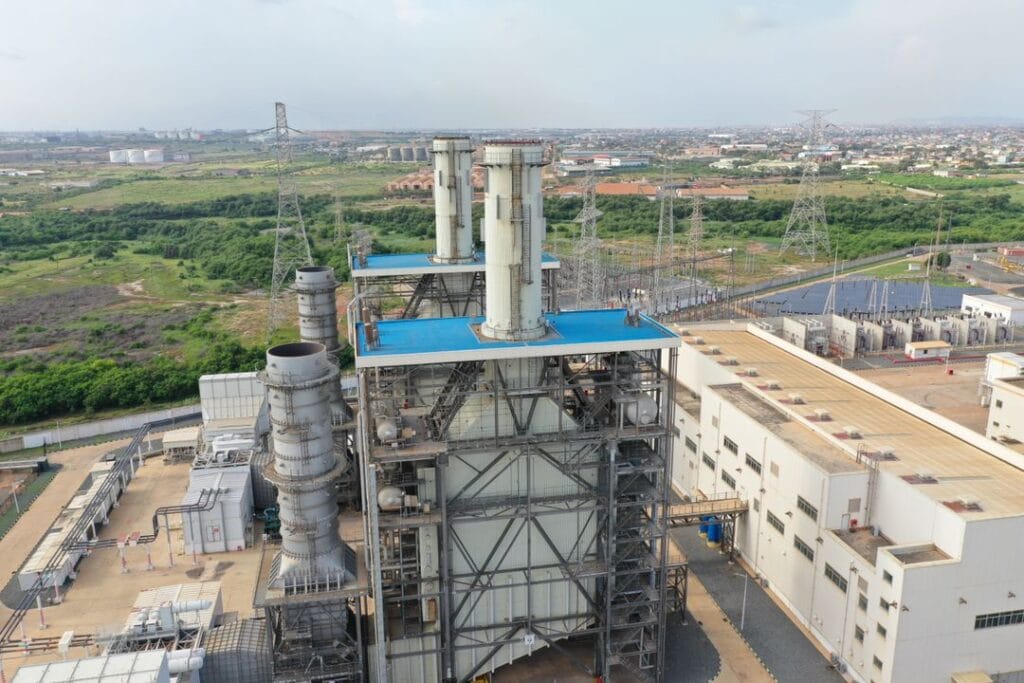
In a significant development for Ghana’s energy sector, President John Dramani Mahama has announced that the Tema Oil Refinery (TOR) will start refining crude oil produced from Ghana’s own offshore fields this month (June 2026).
The move marks a long-awaited step toward greater value addition in the country’s petroleum industry, shifting from the current practice of exporting raw crude while importing most refined petroleum products.
Why This Matters
For years, Ghana has been a net exporter of crude oil but a heavy importer of refined fuels like petrol, diesel, and kerosene. This imbalance has limited the economic benefits the country derives from its oil resources and exposed it to global price fluctuations and supply disruptions.
By processing local crude at TOR, Ghana aims to:
• Increase domestic production of refined petroleum products
• Reduce reliance on imported fuel
• Create more jobs along the petroleum value chain
• Strengthen energy security and industrial capacity
President Mahama described the initiative as a revival of efforts started during his previous administration. He stated: “We are about to start refining our own crude. In June, we are delivering a parcel of Ghanaian crude from our own oil fields to the Tema Oil Refinery to process.”
Will It Lower Fuel Prices?
Many Ghanaians are hoping this development will lead to cheaper fuel at the pump. However, energy experts caution that local refining alone may not immediately translate into lower prices. Fuel costs are influenced by multiple factors, including:
• Global crude oil prices
• Exchange rates (cedi vs. dollar)
• Taxes and levies
• Refinery operational efficiency and costs
The real long-term benefit lies in improved supply reliability and retaining more economic value within the country.
TOR’s Comeback Story
The Tema Oil Refinery, Ghana’s main refining facility, has had a challenging history marked by periods of inactivity, financial difficulties, and maintenance issues. Recent turnaround maintenance has restored its capacity, with the facility already processing imported crude in recent months. The upcoming arrival of Ghanaian crude represents another important milestone in its revival.
The Bigger Picture
This announcement aligns with broader African efforts to add value to natural resources locally rather than exporting them raw. If successful, it could boost Ghana’s industrialisation agenda, support job creation, and contribute to more stable energy supply for households and businesses.
The coming weeks will be critical as stakeholders monitor whether the first shipment arrives on schedule and how effectively TOR processes the local crude. For now, the news has sparked renewed optimism about Ghana capturing greater benefits from its oil wealth.