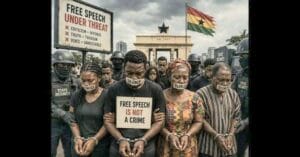
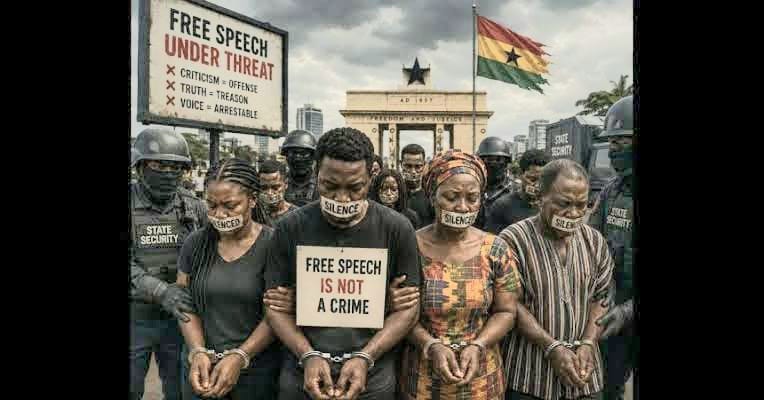
The air is electric in Ghana right now. Arrests, accusations of misinformation, and fiery online battles have turned social media into a digital battlefield. As tensions rise, one question dominates every timeline: Are we protecting public order, or quietly silencing dissent?
The Spark That Ignited the Fire
In just the past few days, platforms like X, Facebook, and TikTok have exploded with passionate voices from everyday citizens to activists, journalists, and political heavyweights. Authorities insist they’re simply doing their job: curbing dangerous falsehoods and keeping the peace during sensitive times. Critics, however, see something far more troubling a creeping clampdown on free expression that could chill open debate and erode public trust.
This isn’t just another online spat. It’s a mirror reflecting Ghana’s deeper struggle: how to balance national security with the fundamental democratic right to speak truth to power in the digital age.
Governance on Trial: Transparency or Selective Justice?
At the heart of the uproar lies a crisis of confidence. Civil society groups and legal experts are demanding answers: What exactly counts as “misinformation”? Who decides? And are these laws being applied evenly, or are they being weaponized against political opponents?
While no serious democracy disputes the need to tackle genuinely harmful lies especially those that could incite violence or destabilize society the line between protection and overreach is razor-thin. Many Ghanaians worry that vague enforcement creates fear. When people second-guess every post, civic participation suffers, and democracy itself weakens.
Social Media: Amplifier of Truth or Weapon of Chaos?
Social media is both hero and villain here. It democratizes information, empowers marginalized voices, and holds leaders accountable at lightning speed. But it also supercharges rumors, deepfakes, and coordinated disinformation campaigns.
The current frenzy proves it: verified facts and wild conspiracy theories race side-by-side, often indistinguishable at first glance. This is why analysts are urgently calling for:
- Stronger digital literacy so citizens can separate signal from noise
- Clearer, fairer regulatory frameworks that protect speech while targeting real harm
- Greater transparency from institutions so the public understands the rules of the game
Without these, we risk turning the internet into a tool for division rather than progress.
The Road Ahead: Crisis or Opportunity?
This moment feels like a crossroads for Ghana’s young democracy. Will these tensions force much-needed reforms better laws, more open dialogue, smarter digital policies? Or will they deepen distrust and polarization?
One thing is certain: the conversation isn’t dying down. Citizens, policymakers, journalists, and advocacy groups are watching closely. The next few weeks could shape how Ghana navigates the treacherous intersection of technology, politics, and freedom for years to come.