Rising Prices. Global Ripple Effects. A Looming Hunger Crisis.
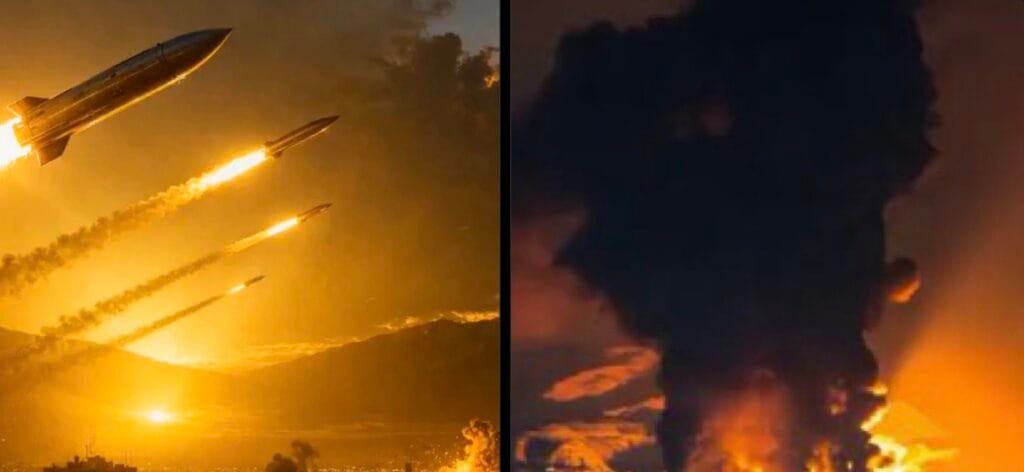
The United Nations is raising the alarm, and it’s serious. The ongoing conflict involving Iran risks triggering a massive global hunger crisis, potentially pushing an additional 45 million people into acute hunger if the situation escalates.
Why This Conflict Hits Your Plate
Even though the fighting is centered in the Middle East, its impact is already rippling across the world. Surging oil prices, skyrocketing transport costs, and disruptions to critical trade routes are driving up the price of food and fuel everywhere.
The Strait of Hormuz; one of the planet’s most vital energy chokepoints, is at the heart of the concern. Any major disruption here can send shockwaves through global supply chains, making everything from bread to cooking oil more expensive for ordinary families.
Developing Nations In The Crosshairs
The hardest hit will be countries in parts of Africa and Asia that depend heavily on imported food and fuel. For low-income households already stretched thin, even modest price spikes can mean choosing between eating and other basic needs.
Humanitarian organizations are also struggling: aid delivery is getting more expensive while funding remains tight.
A Stark Reminder of Global Interconnection
The UN World Food Programme (WFP) emphasizes a tough truth: in today’s world, a conflict thousands of kilometers away can directly affect dinner tables across continents. What happens in the Strait of Hormuz today can determine whether millions go to bed hungry tomorrow.
Time Is Running Out
As the situation develops, aid agencies are calling for urgent diplomatic action and sustained humanitarian support to prevent a full-blown global food crisis.For millions of families already battling high living costs, the coming months could be decisive.
The message is clear: this isn’t just a regional issue it’s a global emergency that demands attention now.